


The Market's Worst Month Is Here
September is the only month that has historically averaged a negative return for the S&P 500, and this year's calendar is unusually busy: midterms two months out, renewed fighting with Iran and oil near $90, and a Fed meeting where the debate is a hike, not a cut. This post walks through the three valuation gauges I include in the weekly emails, the forward P/E, the Shiller CAPE, and the Buffett indicator, and lays out a bear, base, and bull case for the S&P 500 built from 2027 earnings expectations. The short version: the current price assumes things mostly go right, and a 20% decline is a normal outcome your plan should already account for.
The Economy Feels Worse Than It Is
Consumers say the economy feels lousy, but the hard data tell a more complicated story. Here’s what the numbers say, where the risks are, and what’s changing in the portfolio models.

Weak Jobs, Volatile Oil
July's jobs report showed payrolls falling 23,000, well short of expectations, with two months of prior revisions erasing another 103,000 jobs. Oil had an equally rough week, sliding on hopes of a Strait of Hormuz deal before reversing hard on new Iranian shipping restrictions. Here's what a weak jobs print next to strong manufacturing data and rising oil actually means for the Fed.

A Good Family Fight
Inflation cooled and long-term rates rose anyway. The Fed held for a fifth straight meeting on a 9–3 vote, with three officials wanting a hike, and the 30-year Treasury yield closed at its highest level since 2007.
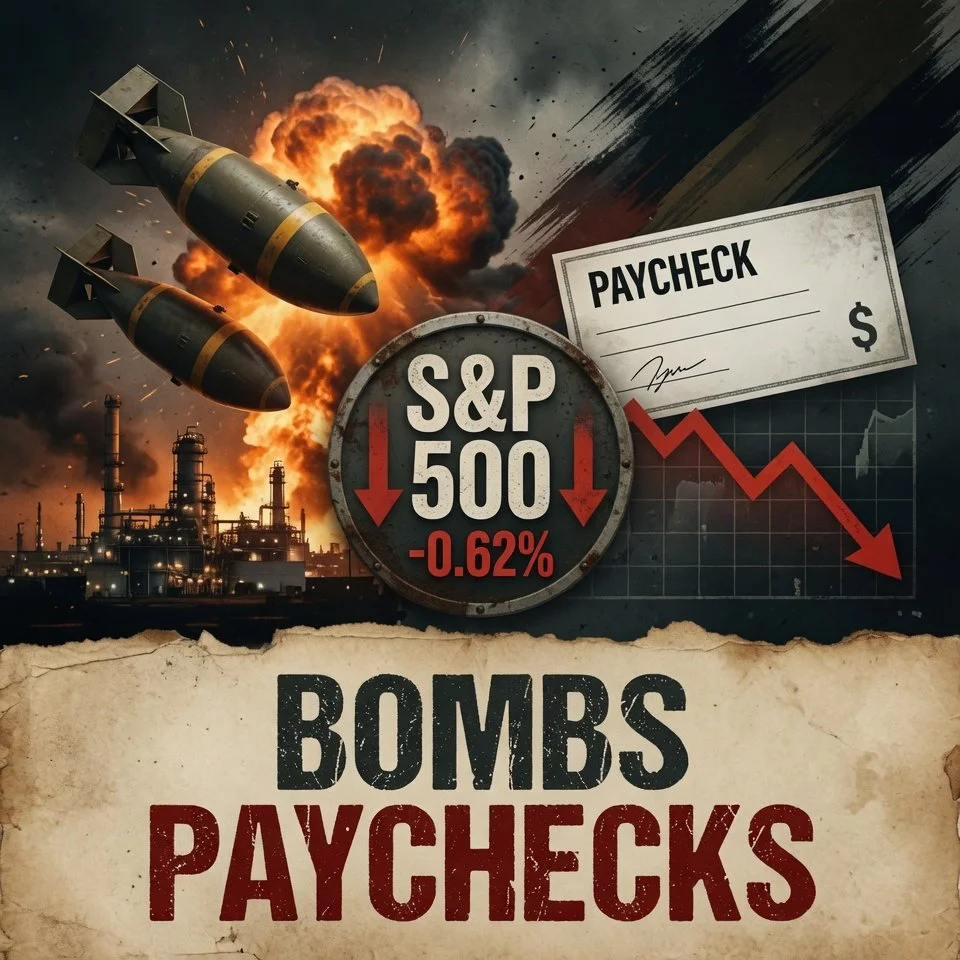
Bombs and Paychecks
The S&P 500 fell 0.62% as fighting in two regions briefly pushed oil above $100 a barrel and sent Treasury yields to their highest level since early last year. At home, unemployment claims fell to their lowest since 1969. That strength doesn't ease the pressure on rates, it adds to it.
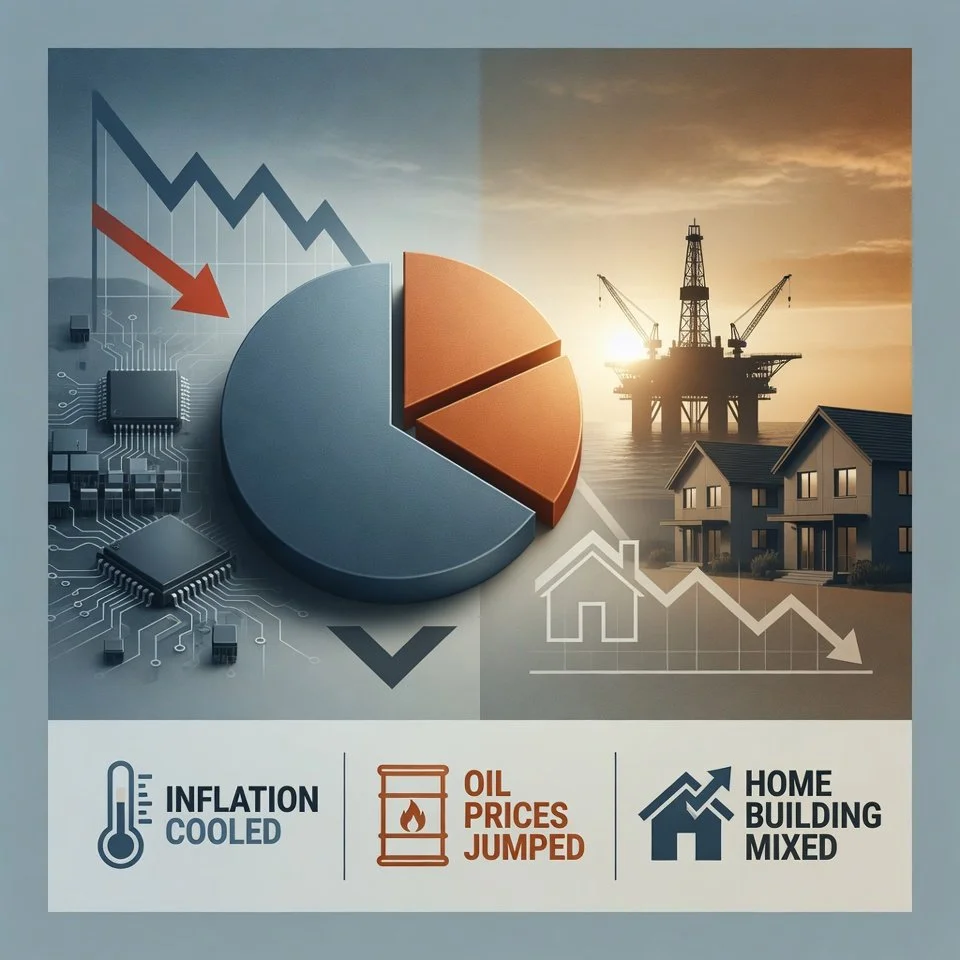
It Wasn't the Economy
The market fell this week, but not because the economy is weakening. Semiconductor stocks led a sharp selloff, and oil jumped as U.S.-Iran fighting resumed. Underneath both headlines: inflation cooled and bank earnings came in strong.
In Spite of Everything
Stocks gained 1.23% in a week that offered a broken ceasefire, a divided Fed, and the softest hiring since February. I also explain the small defensive shift I made to our portfolios and what would make me reverse it.
A quiet freeze in the job market
The June jobs report came in at roughly half what economists expected, yet layoffs stayed low and the S&P 500 climbed 1.75%. This is a job market that's frozen rather than falling apart, and that tension runs through inflation, the Fed's next move, and the summer ahead.
From Cuts to Hikes
Coming into the year, the debate was how many times the Fed would cut rates. Now the question is whether the next move is a hike. Here's what changed, why the market turned nervous, and what it means for you.

A Peace Deal and a Hawkish Fed, in the Same Week
A peace deal may reopen the Strait of Hormuz and ease oil-driven inflation, but the Fed is not ready to declare victory. Markets rose on the news, yet investor sentiment stayed cautious as higher-rate risk moved back into focus. The result is a week where the path to lower inflation looks clearer, but the Fed’s patience looks thinner.

More Red Arrows than Usual
Inflation moved the wrong way again in May. Consumer prices rose 4.2% over the past year, producer prices 6.5%, and jobless claims ticked up across the board. Growth is still tracking at 3.3%, yet markets now put roughly a 78% chance on a rate hike within the next year. All of it lands on the Fed's table when it meets next week. Here's the week's data at a glance.
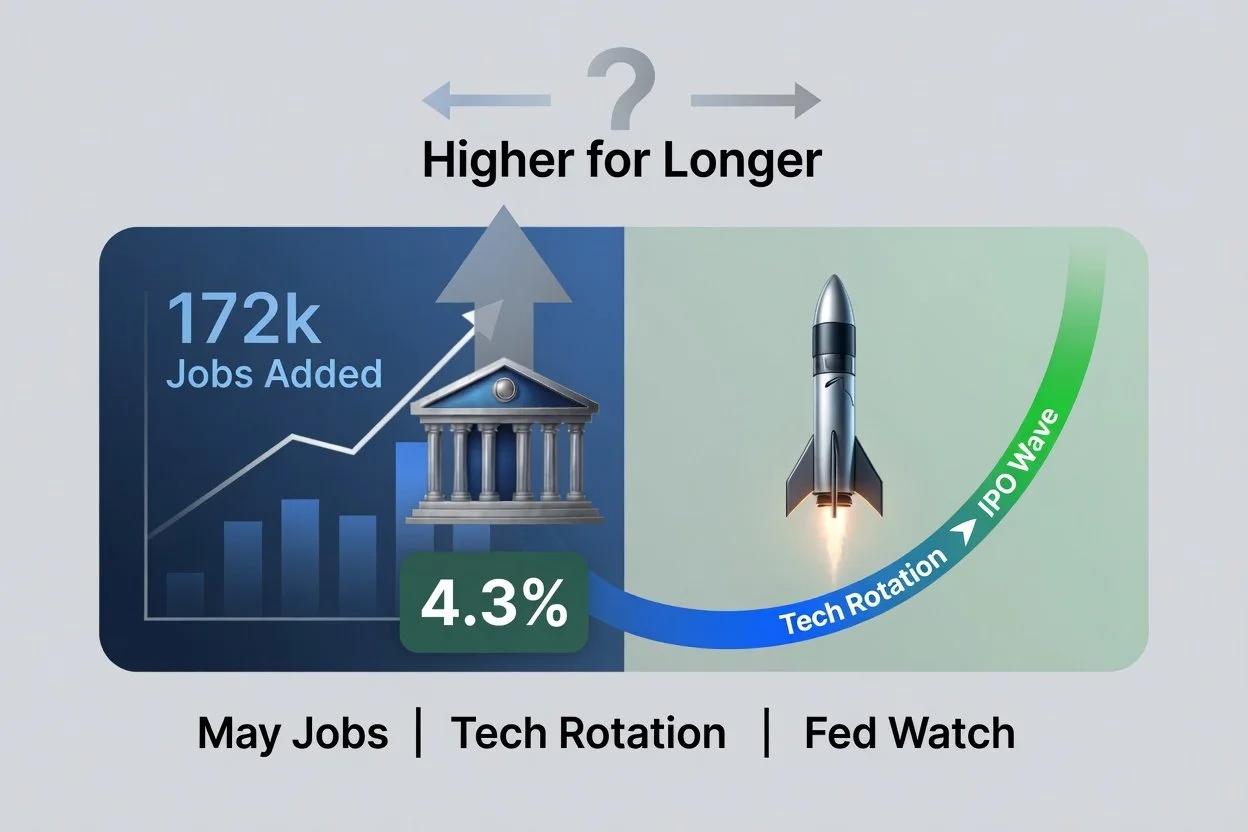
Jobs, Rates, and This Week's Selloff
A strong May jobs report has markets rethinking the path of interest rates, with a hike now looking more likely than a cut. Meanwhile, money is rotating out of technology stocks ahead of the SpaceX, Anthropic, and OpenAI IPOs. Here's what's driving markets this week and what I'm watching from here.